EN
EN
 AR
AR BG
BG HR
HR CS
CS DA
DA NL
NL FI
FI FR
FR DE
DE EL
EL IT
IT JA
JA KO
KO PL
PL PT
PT ES
ES SV
SV ID
ID SR
SR ET
ET HU
HU TR
TR GA
GA XH
XH

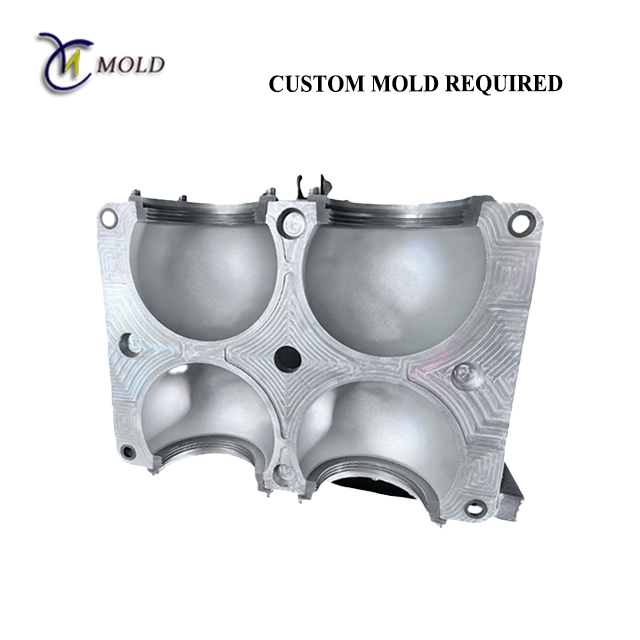
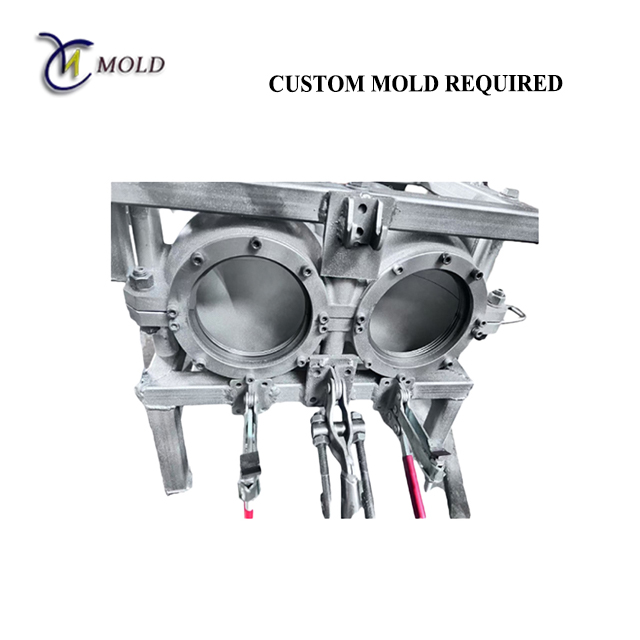
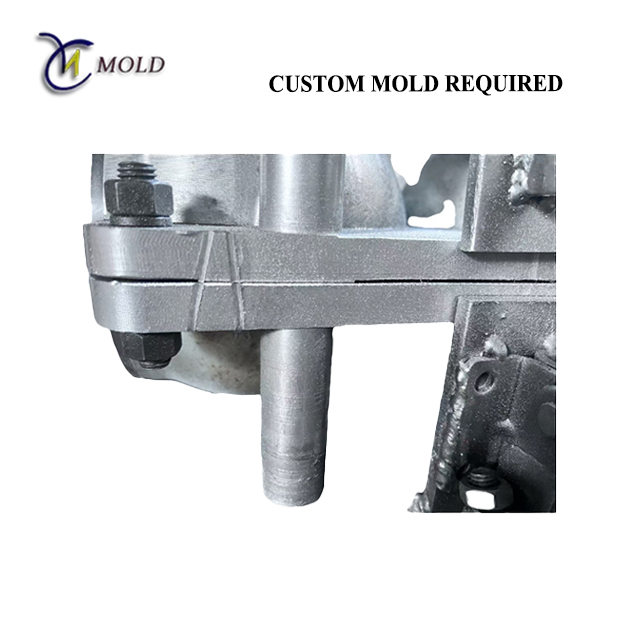
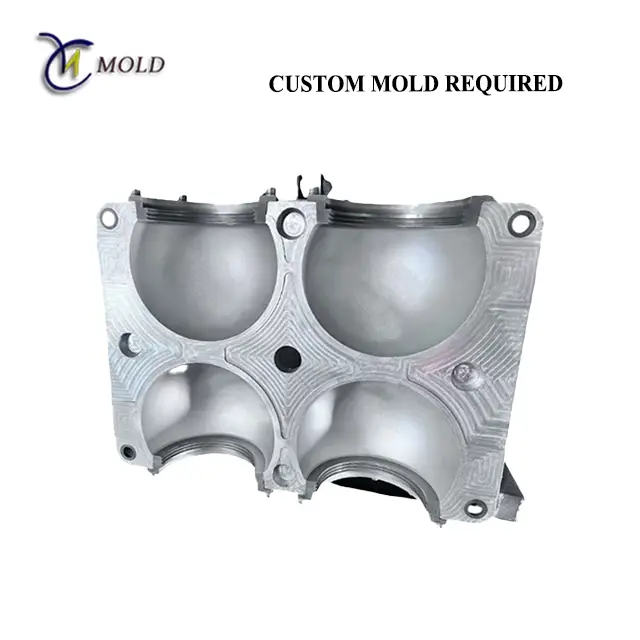
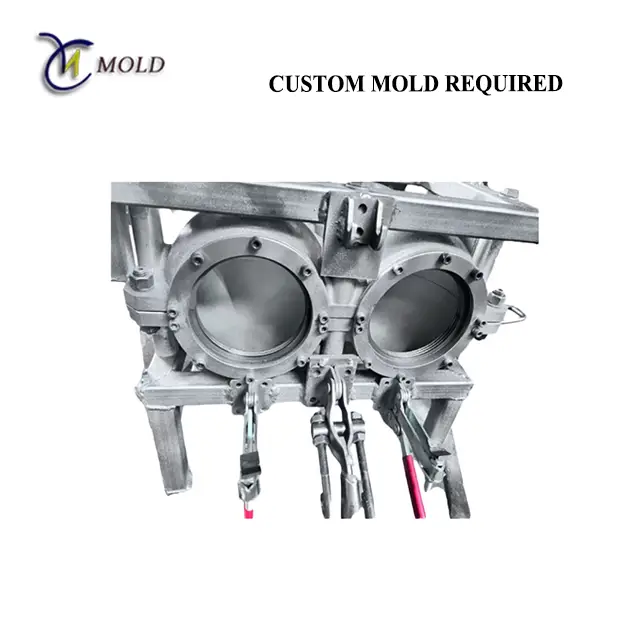
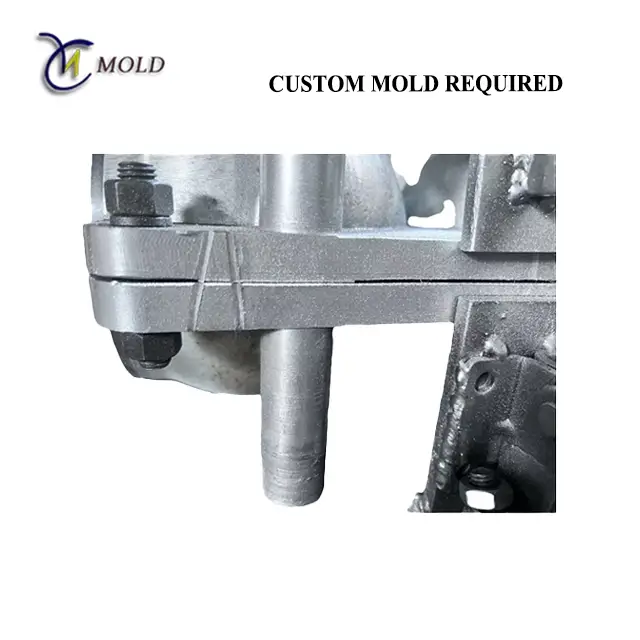
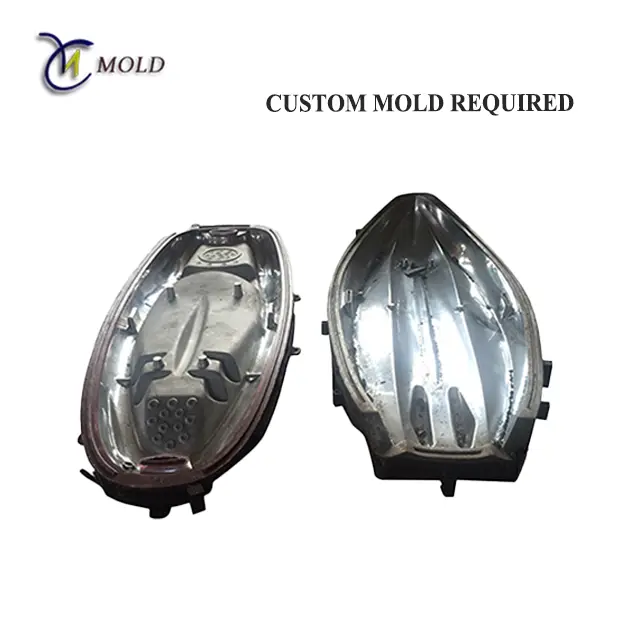
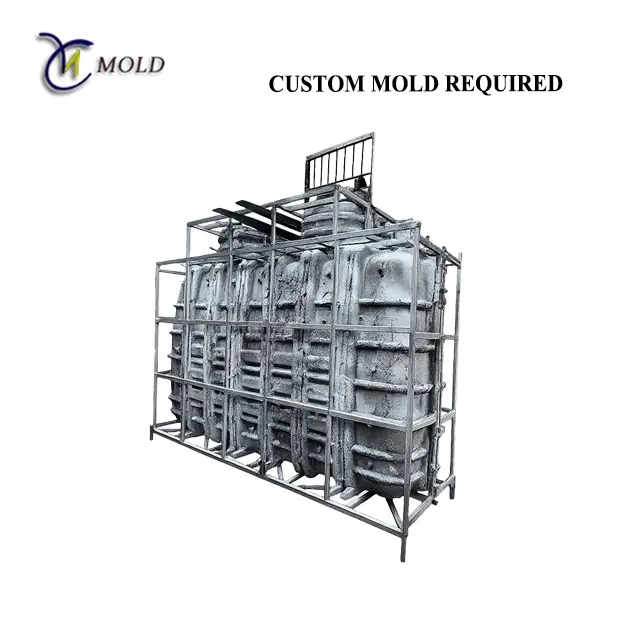
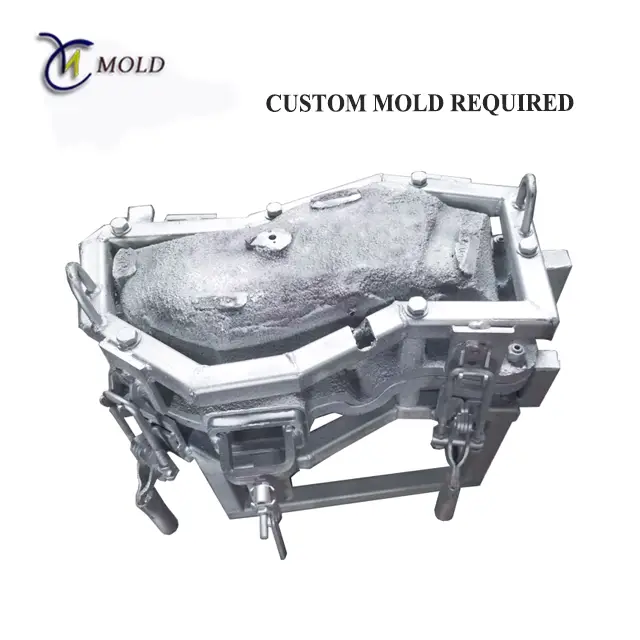
Dual-Cavity Lampshade Mold | Custom High-Precision Forged Aluminum Alloy Mold
Mold Material: Aluminum Alloy
Process Type: Roto-Molding
Processing Equipment: CNC
Surface Treatment: polishing/spraying/anti-rust treatment
Delivery time: 25 to 35 days
Quality System: ISO 9001
Description
Forged Aluminum Lampshade Rotomolding Mould | Durable Custom Tooling Manufacturer
Why Choose Us (Product Advantages)
High-Strength Forged Aluminum Material – Our Forged Aluminum Rotomolding Moulds are manufactured from premium aluminum alloy, offering excellent durability, lightweight structure, and superior heat conductivity for stable rotational molding tooling performance.
Precision Engineering & CNC Machining – Using CNC machining centers and precision welding, every mold is crafted with high dimensional accuracy and smooth surface finishing.
Durable & Long Service Life – Forged aluminum molds are resistant to deformation, cracking, and thermal fatigue, ensuring consistent production for lampshade rotomolding molds and other plastic products.
Lightweight & Easy Handling – Compared with steel molds, aluminum molds are easier to handle, change, and maintain, reducing labor intensity in production.
Custom Design Capability – We provide OEM & ODM customized rotomolding molds, supporting various lampshade designs, textures, and sizes.
Efficient Heat Transfer – Faster heating and cooling cycles improve molding efficiency and reduce production costs.
Applications
Our Forged Aluminum Lampshade Rotomolding Moulds are widely used in:
Plastic lampshades and lighting covers
Decorative garden lamps and outdoor lighting housings
Architectural lighting fixtures and industrial light covers
Custom-shaped rotomolded lamps and artistic lighting projects
Other plastic products using forged aluminum rotational molding tooling
Product Showcase
Lampshade Mold Variety – Customized molds for round, square, dome, and artistic-shaped lampshades.
Surface Options – Smooth, matte, textured, frosted, or customized engraving for lighting effects.
Custom Sizes & Patterns – From small decorative lamps to large industrial lampshade molds.
Durability Testing – Each mold undergoes thermal resistance tests, cycle life testing, and dimensional accuracy inspection.
One-Stop Service – From design, CNC processing, assembly, trial production, to after-sales maintenance.
Factory Strength
l 15+ years of rotomolding experience
l 6 rotomolding machines & CNC tooling capabilities
l In-house assembly line for full product solutions
l ISO & quality certifications
How We Work (Process)
l Requirement Discussion
l Free Design Proposal
l Mould Development
l Sample Confirmation
l Mass Production
l On-Time Delivery
FAQ
Q1: What material is used for the lampshade rotomolding molds?
A: We use forged aluminum alloy, providing excellent strength, lightweight, and thermal conductivity for rotational molding tooling.
Q2: Can you produce custom-designed lampshade molds?
A: Yes, we offer custom rotomolding mold services, including OEM & ODM designs for different shapes, patterns, and surface finishes.
Q3: How long is the lifespan of forged aluminum rotomolding molds?
A: Typically, our molds last 10+ years under proper maintenance, making them a reliable choice for mass production.
Q4: Are aluminum molds better than steel molds?
A: For lampshades and decorative plastic products, aluminum molds are lighter, easier to handle, and faster in heat transfer, though steel molds are preferred for very large or high-load parts.
Q5: Do you provide after-sales service?
A: Yes, we provide mold maintenance, repair, and modification services to ensure long-term usability.
Q6: What industries use your forged aluminum rotomolding molds?
A: Mainly lighting industry, decorative garden products, architectural projects, furniture lighting, and industrial equipment covers.
Q7: What is your production lead time?
A: Standard delivery time is 4–6 weeks, depending on the mold complexity and design requirements.