EN
EN
 AR
AR BG
BG HR
HR CS
CS DA
DA NL
NL FI
FI FR
FR DE
DE EL
EL IT
IT JA
JA KO
KO PL
PL PT
PT ES
ES SV
SV ID
ID SR
SR ET
ET HU
HU TR
TR GA
GA XH
XH

The Quiet Boom in Rotational Molding
Rotomolding has never been the loudest manufacturing process. It does not make headlines the way 3D printing does, and it does not attract venture capital the way injection molding automation does. But quietly, across five application categories, demand for rotomolded parts is growing faster than it has in a decade.
North American buyers are driving this growth—not because rotomolding is new, but because the economics have shifted. Reshoring, infrastructure spending, outdoor recreation trends, and stricter environmental regulations are all pushing product designers toward rotomolding for applications where it simply outperforms alternatives.
1. Water and Chemical Storage Tanks
This has always been rotomolding's bread and butter, but 2026 is different. Two macro trends are converging: aging municipal water infrastructure across the U.S. and Canada, and the rapid expansion of chemical processing capacity along the Gulf Coast.
Rotomolded polyethylene tanks dominate because no other process can produce a seamless, leak-proof tank from 50 to 50,000 liters at a competitive price point. A welded metal tank has seams that corrode. A fiberglass tank has resin-rich layers that can delaminate. A rotomolded tank is one continuous wall of chemically resistant PE—no seams, no joints, no leak paths.
The growth vector in 2026 is new applications: rainwater harvesting systems for drought-prone regions, fire suppression water storage for wildfire zones in California and British Columbia, and double-wall containment tanks driven by updated EPA secondary containment rules.
2. Outdoor Recreation and Marine Products
Kayaks, paddleboards, coolers, dock floats, playground equipment—the outdoor recreation category has been a rotomolding growth engine for 20 years, and it is not slowing down. North American outdoor recreation participation hit record levels during 2020–2022 and has not retreated. Consumers who bought their first kayak in 2021 are now upgrading.
Rotomolding's advantage in this category is impact resistance. A rotomolded LLDPE kayak bounces off rocks that would crack a fiberglass hull. A rotomolded playground slide withstands UV exposure and temperature swings from -30°F to 110°F without fading or cracking. The 2026 growth story is product segmentation—manufacturers are launching new models faster because rotomolding tooling is affordable enough to support multiple SKUs.
3. Automotive Fluid Management Systems
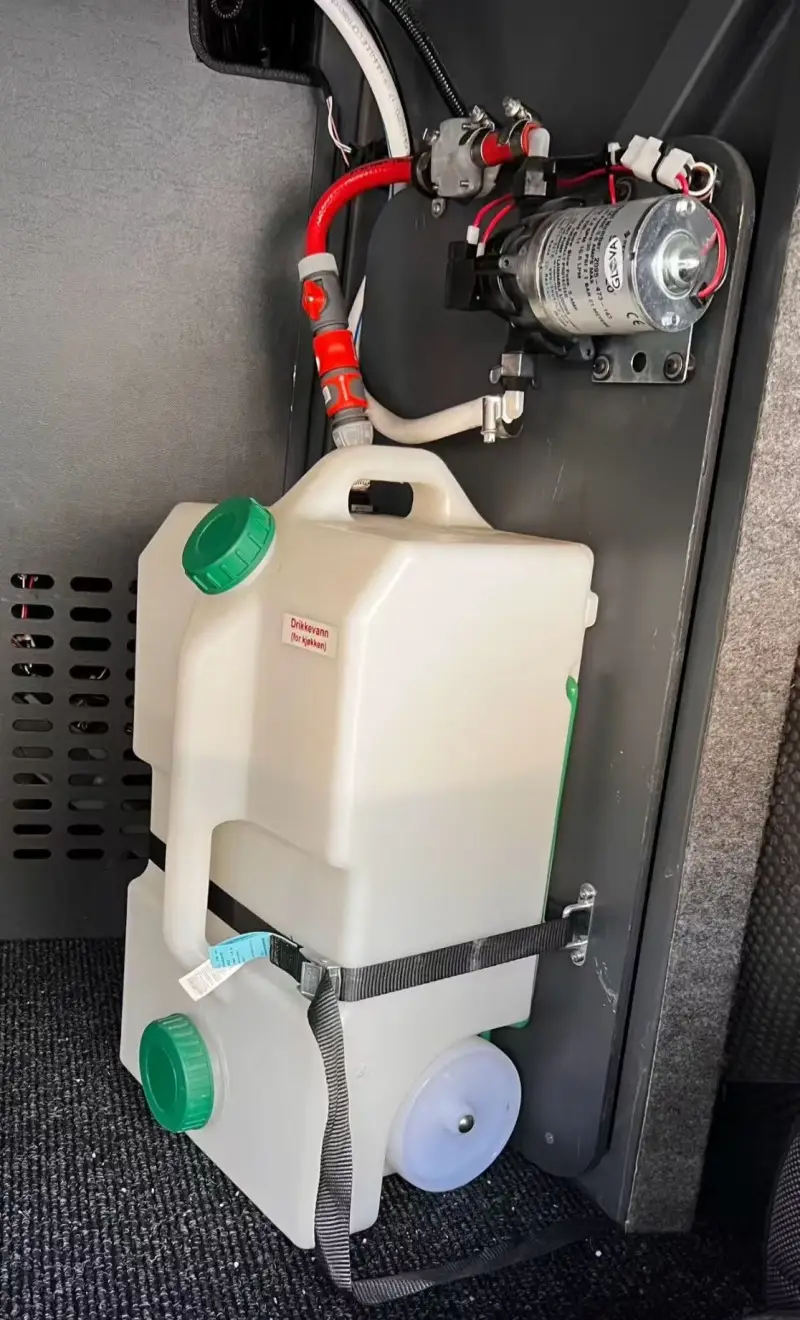
Most people think of automotive plastics as injection molded—dashboards, bumpers, interior trim. But under the hood, rotomolding is quietly taking share in fluid management: fuel tanks, diesel exhaust fluid (DEF) tanks, coolant reservoirs, and air intake ducts.
The driver is regulatory. EPA Tier 3 and CARB LEV III standards demand zero-evaporative-emission fuel systems. A rotomolded nylon or cross-linked PE fuel tank, with molded-in inserts and seamless construction, eliminates the permeation paths that plague blow-molded or multi-piece welded tanks.
Electric vehicles are reshaping this market. EVs need coolant reservoirs for battery thermal management, washer fluid tanks, and in some cases hydrogen storage tanks for fuel-cell vehicles—each a candidate for rotomolding at medium-volume production levels.
4. Agricultural and Heavy Equipment Components
Farming equipment lives a hard life. UV exposure, chemical contact, impact from rocks, and wide temperature swings all punish plastic components. Key applications: tractor fenders and hoods, sprayer tanks, seed hoppers, livestock feeding troughs, and ATV/UTV cargo boxes. These share common requirements: large size, high impact resistance, UV stability, and volumes in the 500–5,000 unit per year range.
The 2026 growth catalyst is the precision agriculture boom. GPS-guided sprayers, autonomous tractors, and drone-compatible equipment require new form factors that legacy metal fabrication cannot deliver. Rotomolding's design flexibility gives equipment designers more freedom than sheet metal, and the tooling is far cheaper than stamping dies.
5. Medical and Laboratory Equipment
This is rotomolding's sleeper category. The combination of seamless construction (no bacteria-trapping joints), chemical resistance, and complex hollow shapes makes it ideal for medical waste containers, hospital carts, laboratory sinks and fume hood liners, and emergency response equipment cases.
The growth driver is hospital infrastructure spending. The post-pandemic rebuild cycle has accelerated, and healthcare systems are specifying rotomolded components for durability and cleanability. A rotomolded medical cart can be power-washed with disinfectant without corroding. Updated OSHA and CDC guidelines emphasize surfaces that can be fully decontaminated—rotomolded PE and PP meet these requirements at a fraction of the cost of stainless steel.
The Bottom Line
The thread connecting all five categories is rotomolding's unique combination: seamless hollow parts at any practical size, tooling costs in thousands rather than hundreds of thousands, and design freedom to iterate quickly. North American manufacturers who understand these applications are capturing growth in 2026.

We are professional rotomolding mold and products