EN
EN
 AR
AR BG
BG HR
HR CS
CS DA
DA NL
NL FI
FI FR
FR DE
DE EL
EL IT
IT JA
JA KO
KO PL
PL PT
PT ES
ES SV
SV ID
ID SR
SR ET
ET HU
HU TR
TR GA
GA XH
XH

The Mold Is an Asset, Not a Consumable
Ask a rotomolder how long a mold lasts, and you will hear answers ranging from "five thousand cycles" to "we are still running molds from the 1990s." Both answers can be true—for different molds, different materials, and different maintenance practices. The real question is not "how long does a mold last?" It is "how do I maximize mold life for my specific application?"
What Determines Mold Lifespan? Five Factors
1. Mold Material
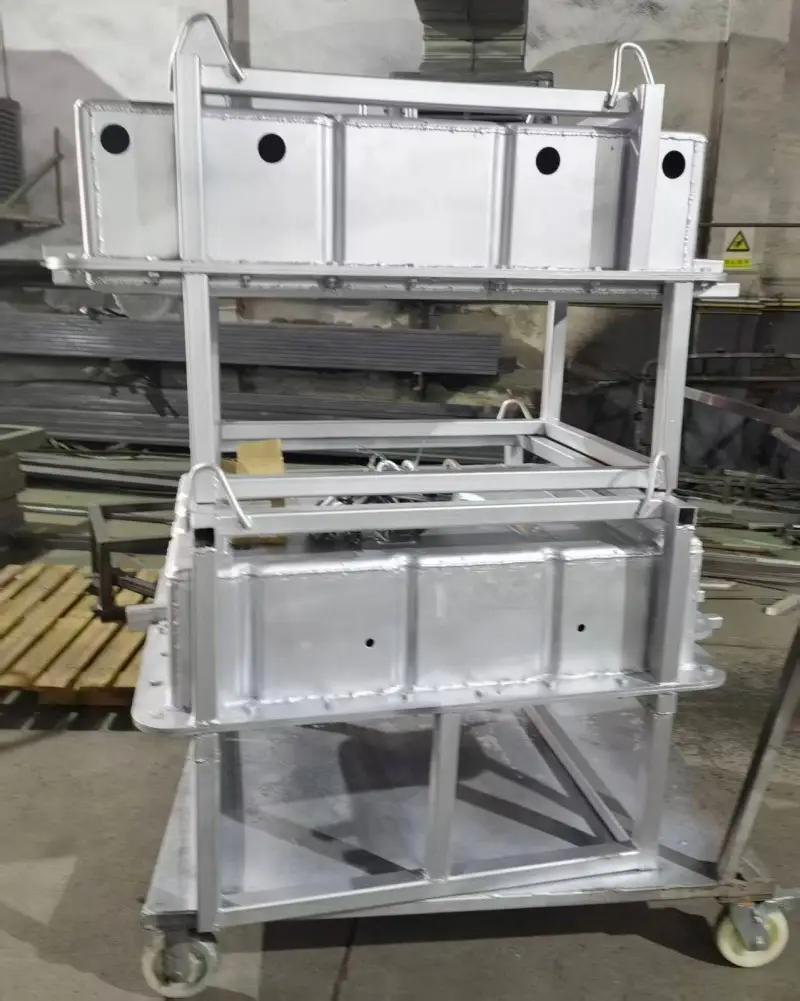
Cast aluminum is the most common rotomolding mold material. It offers the best balance of thermal conductivity, machinability, weight, and cost. A well-maintained cast aluminum mold can deliver 10,000 cycles before requiring major refurbishment.
CNC-machined aluminum from billet delivers the best surface finish and dimensional accuracy but costs more than cast aluminum. Typical lifespan: 15,000cycles.
2. Molding Material
Polyethylene is the gentlest on molds. It processes at relatively low temperatures (200–260°C), does not corrode metal, and leaves minimal residue. Aluminum molds running PE can last decades with basic maintenance.
Polypropylene runs hotter (220–280°C) and shrinks more aggressively, creating higher demolding forces that accelerate parting line wear.
3. Cycle Count and Thermal Cycling
Every rotomolding cycle subjects the mold to thermal shock: ambient → 280–350°C oven → ambient cooling → repeat. Over thousands of cycles, this thermal fatigue causes parting line warpage, stress cracking at thin sections, and surface oxidation that gradually roughens the cavity.
4. Handling and Operator Practices
More molds are damaged by handling than by thermal cycling. Prying parts out with metal tools scores the cavity surface. Dropping mold halves distorts the parting line. Overtightening clamps warps the parting line over time. Solution: use brass or plastic demolding tools, mechanical handling aids for molds over 50 pounds, and consistent torque settings on clamps.
5. Storage Conditions
Aluminum molds stored in humid environments develop surface corrosion—especially at the parting line. Steel molds rust if not protected. Best practice: clean thoroughly after each run, apply rust inhibitor, and store in a dry, temperature-controlled environment.
Maintenance That Actually Matters
Daily (Every Shift)
· Visual inspection of parting line — look for flash on the previous part, signaling the parting line is not sealing fully
· Check mold release application — too little causes sticking, too much builds residue
· Inspect vent tubes — a clogged vent causes internal pressure buildup and part distortion
Weekly
· Clean mold cavity surface with a non-abrasive cleaner appropriate for the mold material (never use steel wool on aluminum)
· Check clamp mechanisms — verify all clamps, bolts, and alignment pins are tight and undamaged
· Apply protective coating to parting line — high-temperature anti-seize compound reduces galling
Monthly
· Measure critical dimensions against the original mold drawing — drift of 0.5 mm or more signals refurbishment planning time
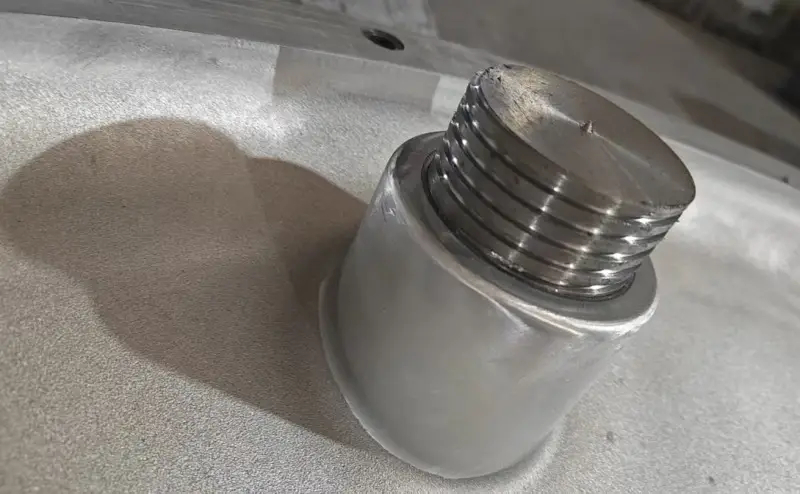
· Inspect threaded inserts and mold-mounted hardware — vibrations from rotation can loosen components
· Document condition with photographs — a photo record makes it easier to track degradation over time
Annually (or Every 5,000 Cycles)
· Full teardown and inspection — remove all components, inspect every surface for cracks especially at sharp corners and weld joints
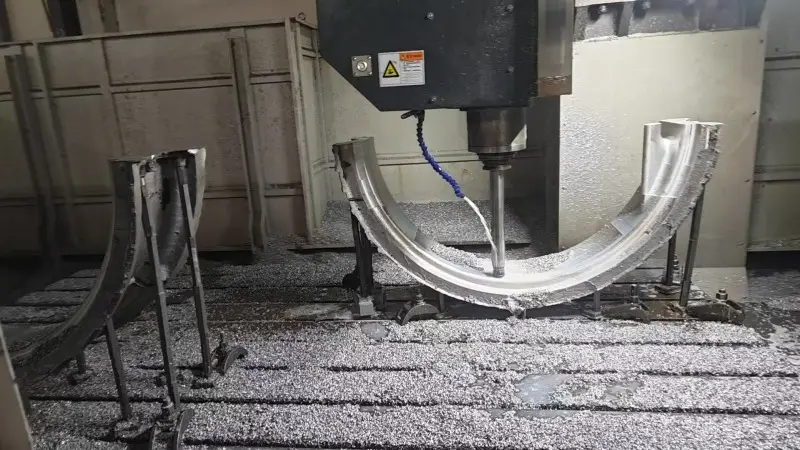
· Re-machine or lap parting lines if needed — parting line surfaces that no longer seal cleanly can often be restored with light re-machining
· Replace wear items — alignment pins, bushings, clamp bolts, and vent tubes are consumables; replace on schedule, not just when they fail
Warning Signs: When to Refurbish vs Replace
· Heavy flash around parting line → Re-machine parting line surfaces; if warp exceeds 1 mm, evaluate replacement
· Rough or pitted cavity surface → Light re-polishing for aluminum; nickel re-plating for severe cases
· Dimensional drift >1 mm → Measure against drawing; re-machine if stock allows, replace if not
· Hairline cracks at corners → Weld repair for aluminum; monitor; replace if cracks propagate
· Sticking parts despite correct release agent → Deep clean with baking cycle; re-polish if needed
The decision comes down to economics: if refurbishment cost exceeds 60% of a new mold, and the new mold would offer improved design features or faster cycle time, replacement is usually the better choice.
How to Extend Mold Life: Practical Tips
1. Stick to recommended PIAT range — every 10°C above the resin supplier's recommended peak internal air temperature accelerates oxidation and thermal fatigue
2. Cool the mold uniformly — uneven cooling creates thermal gradients that warp the mold over time
3. Rotate molds in production — if running the same part on multiple molds, distribute wear evenly
4. Invest in mold storage racks — molds stored on the floor get stepped on, hit by forklifts, and collect moisture
5. Train operators to treat molds as precision tools, not anvils — the most cost-effective mold life extension is cultural
The Bottom Line
A rotomolding mold is a capital asset that should deliver years of reliable production. With proper material selection, consistent maintenance, and operator training, an aluminum mold running PE can achieve 15,000–25,000 cycles over 10–15 years of service. Steel molds can outlast the factory that houses them. The difference between a mold that lasts 5,000 cycles and one that lasts 25,000 is rarely the aluminum or the machining. It is the daily decisions about cleaning, inspection, temperature control, and handling.
We are professional rotomolding mold and products